
Traditional institutions in Uvwie Local Government Area of Delta State have reaffirmed their commitment to protecting women, girls, and other vulnerable persons by leading community-driven efforts to combat gender-based violence (GBV).
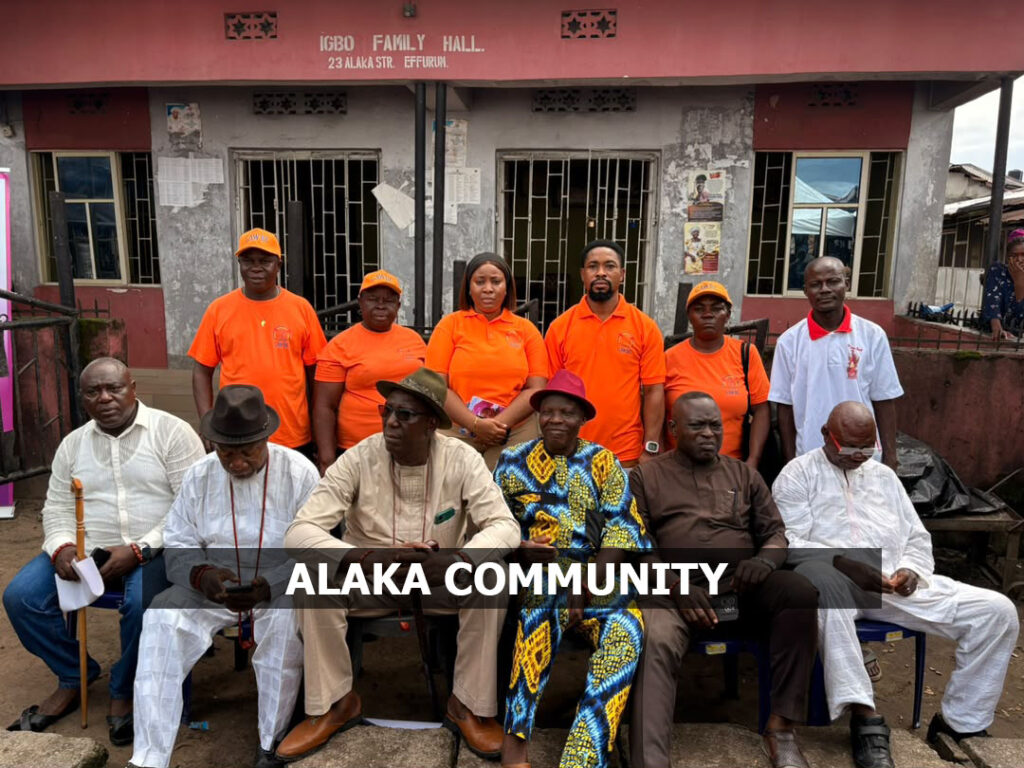
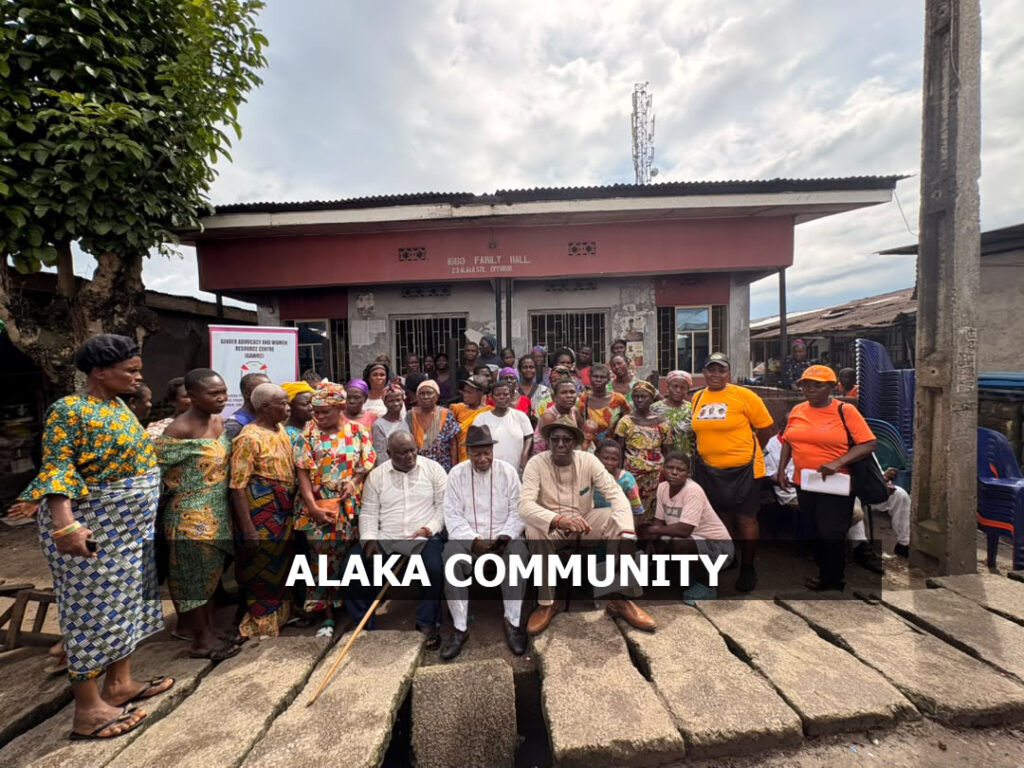
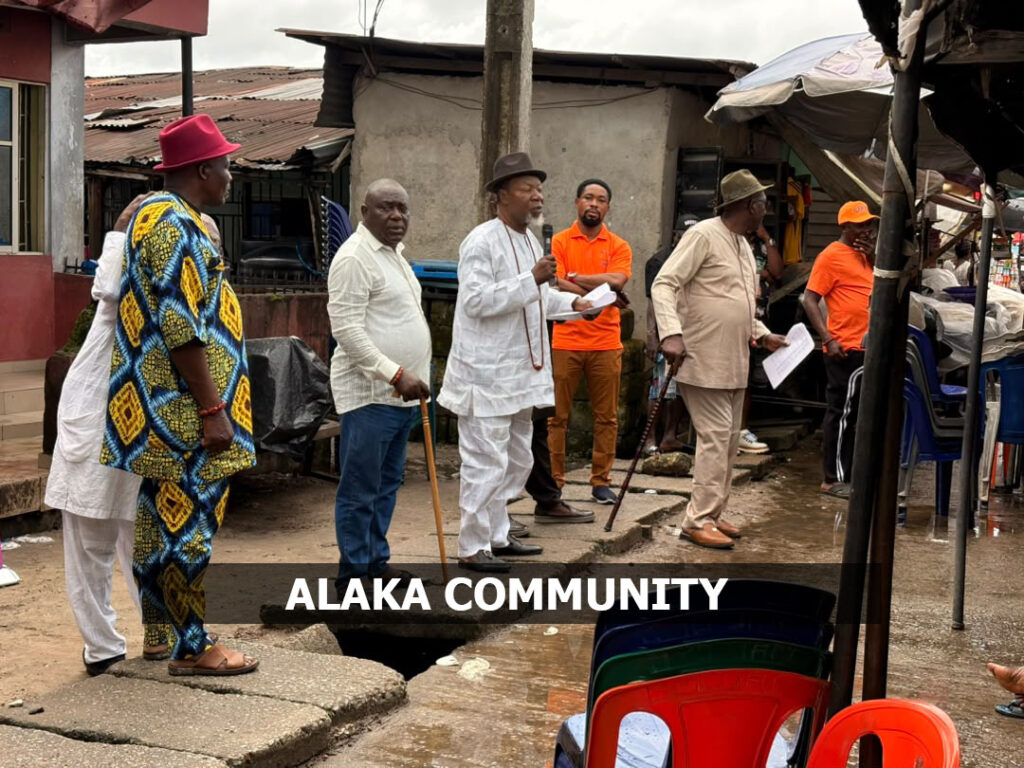
As part of the Gender Advocacy and Women Resource Centre’s (GAWRC) Project Zero Tolerance for Gender-Based Violence (GBV), traditional leaders in Alaka, Ohorhe II, and Urhumarho communities convened separate awareness and sensitisation meetings aimed at strengthening community action against gender-based violence and harmful traditional practices.
The engagements brought together community leaders, women, youth groups, and other residents to discuss practical approaches to preventing violence, promoting respect for human rights, and encouraging peaceful coexistence within their communities. The conversations also highlighted the important role traditional institutions play in shaping attitudes and influencing positive behavioural change at the grassroots level.
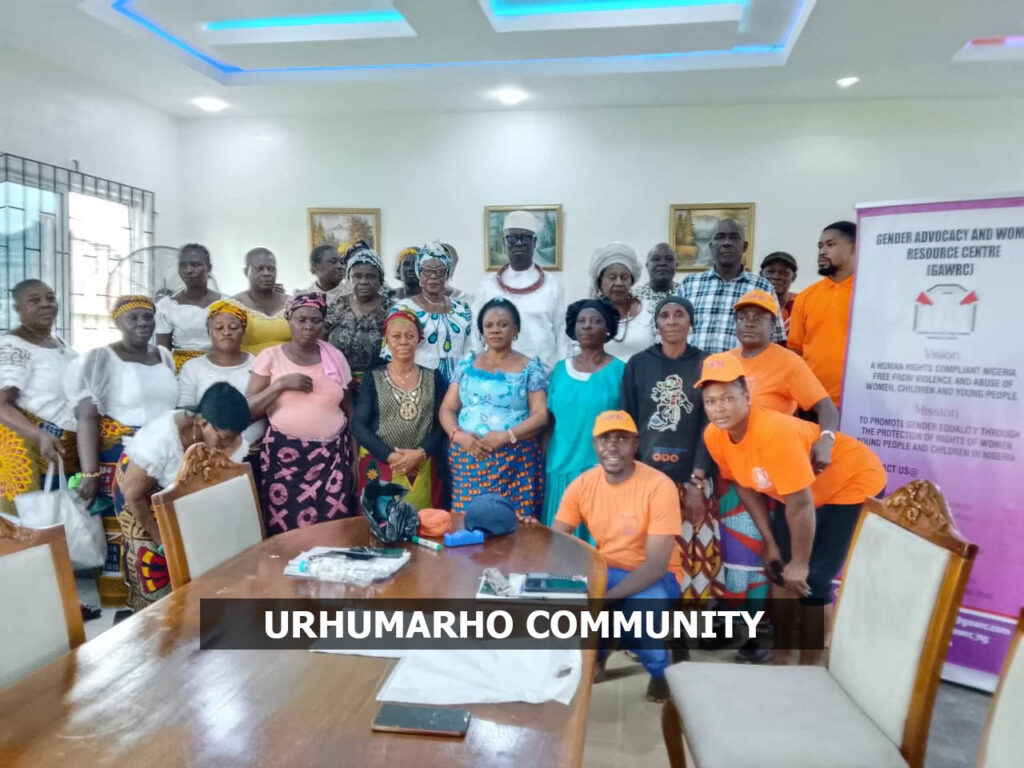
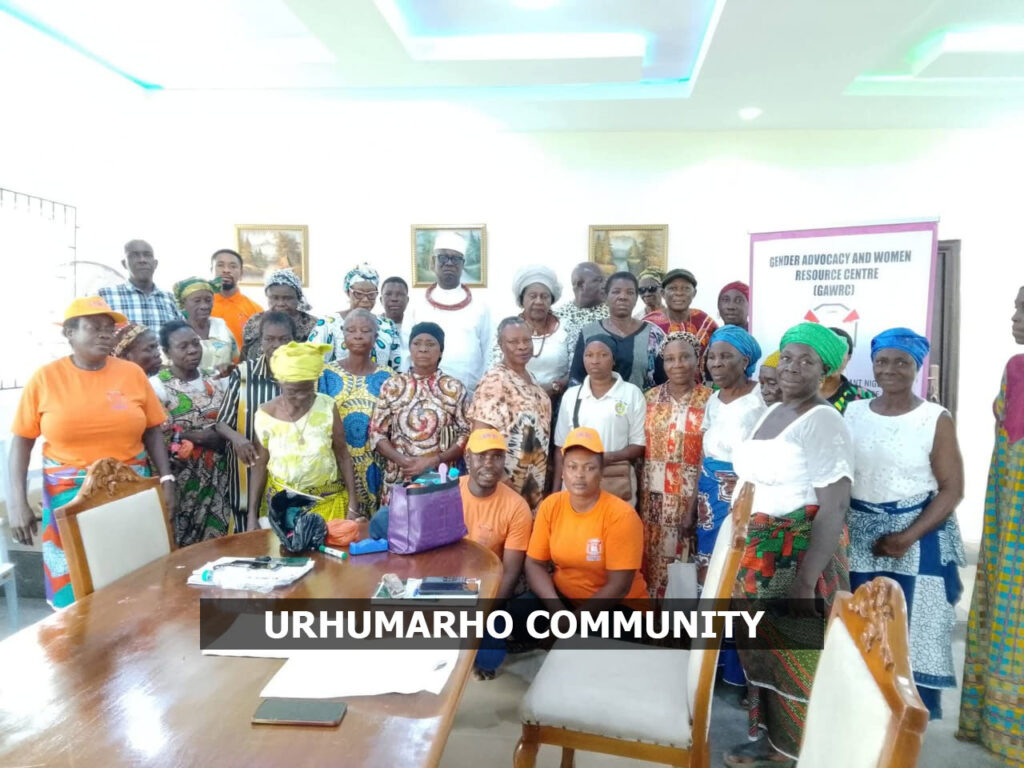
Addressing participants during the meetings, the traditional leaders stressed that gender-based violence remains a challenge that requires the collective effort of every member of the community. They urged residents to reject harmful cultural practices, protect the dignity of women and girls, and ensure that cases of abuse are reported through the appropriate channels.
Participants were encouraged to become advocates for positive change by promoting mutual respect, equality, and non-violence in their homes and communities. Special emphasis was placed on the responsibility of parents, religious leaders, youths, and community influencers to foster environments where women and girls can live free from fear, discrimination, and abuse.

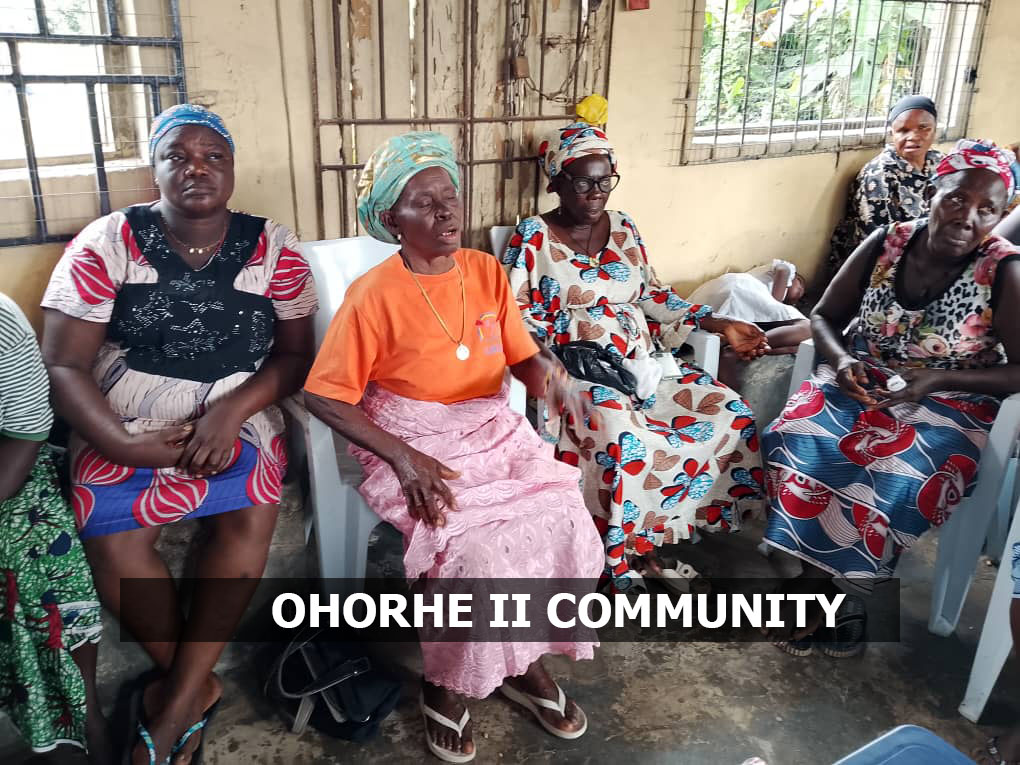
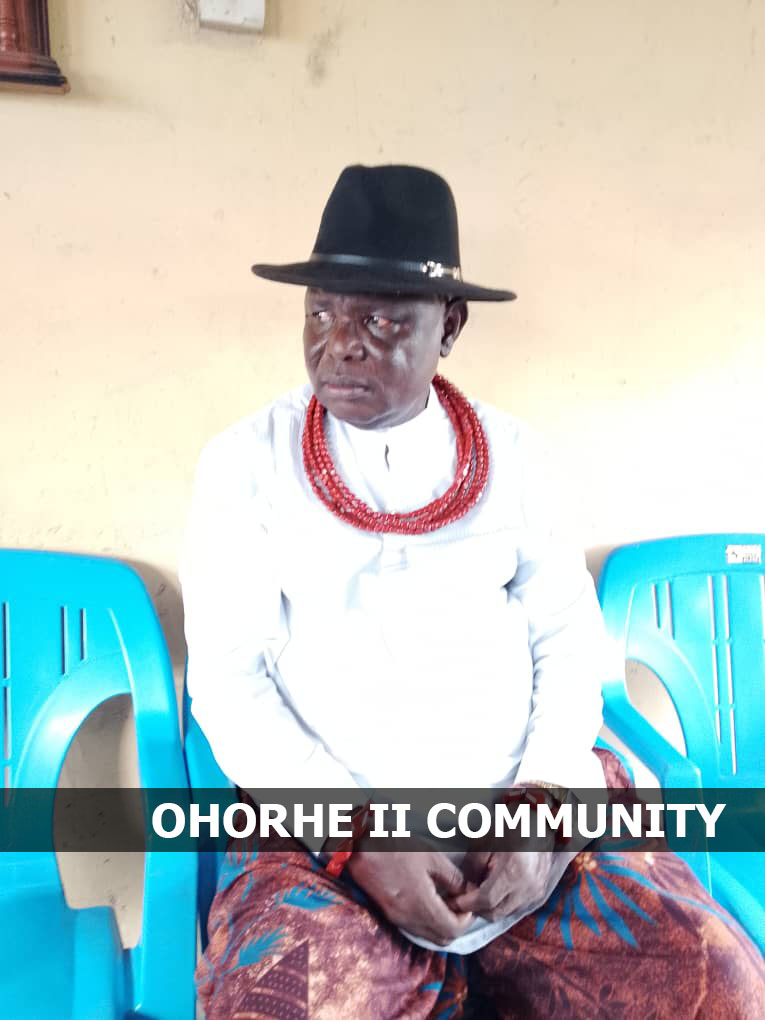

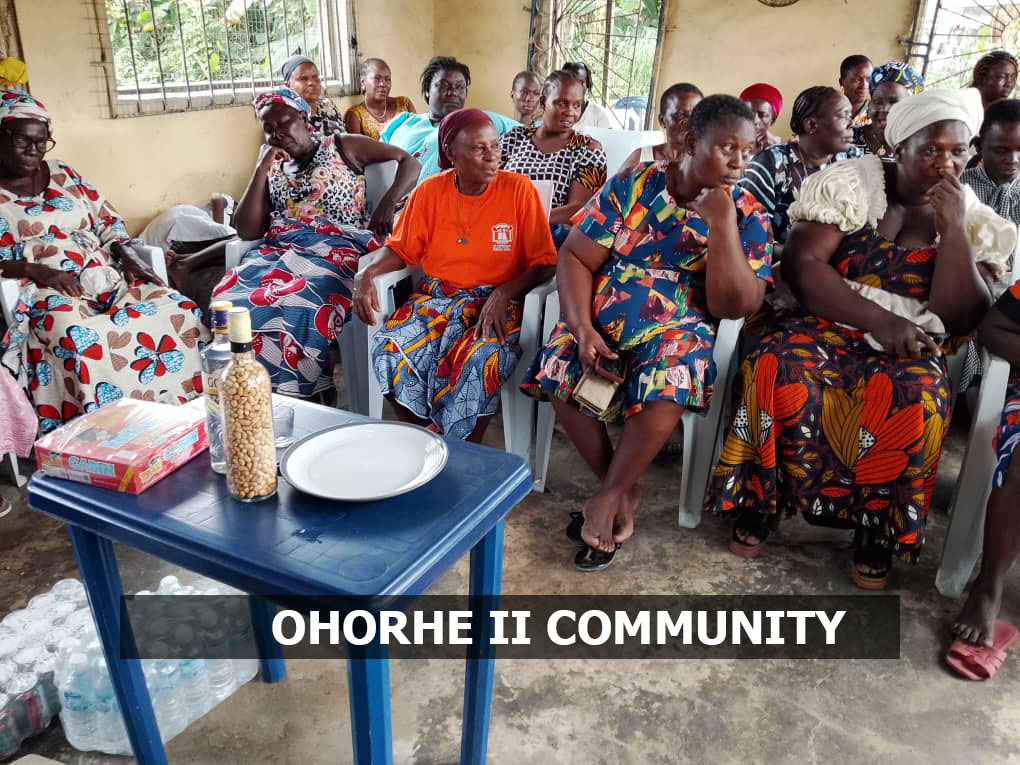
The interactive sessions provided opportunities for participants to share their experiences, ask questions, and identify practical community-led strategies for preventing violence and supporting survivors. The discussions further strengthened collaboration between traditional leaders, community members, civil society organisations, and relevant government institutions in advancing a coordinated response to GBV.
Speaking on the importance of the initiative, GAWRC reiterated that empowering traditional leaders to champion the fight against gender-based violence is critical to achieving sustainable change. By leveraging the influence and authority of traditional institutions, the organisation continues to strengthen community ownership of GBV prevention efforts while promoting lasting behavioural transformation across communities.
The sensitisation meetings ended with a collective pledge by stakeholders in Alaka, Ohorhe II, and Urhumarho communities to sustain advocacy, deepen awareness, and continue working together to create communities where the rights, dignity, and safety of every individual are respected.
The activities were implemented under GAWRC’s Project Zero Tolerance for Gender-Based Violence (GBV), with support from the Ford Foundation, as part of ongoing efforts to strengthen community-led responses to GBV and promote the protection of women, girls, and other vulnerable groups across Nigeria.