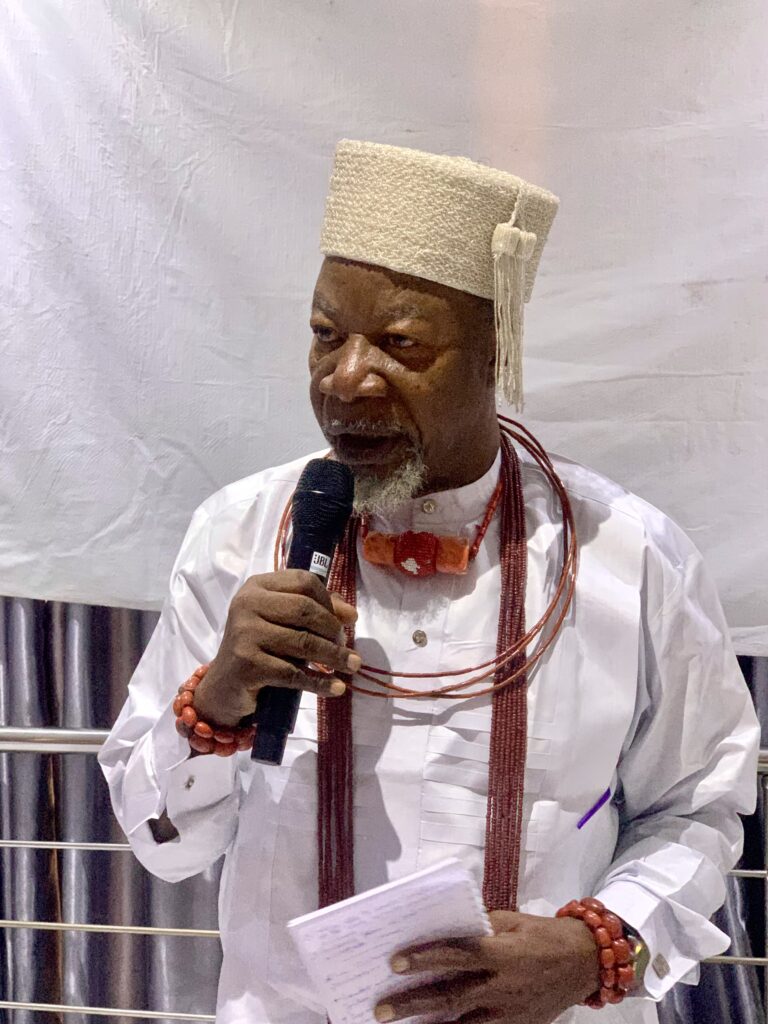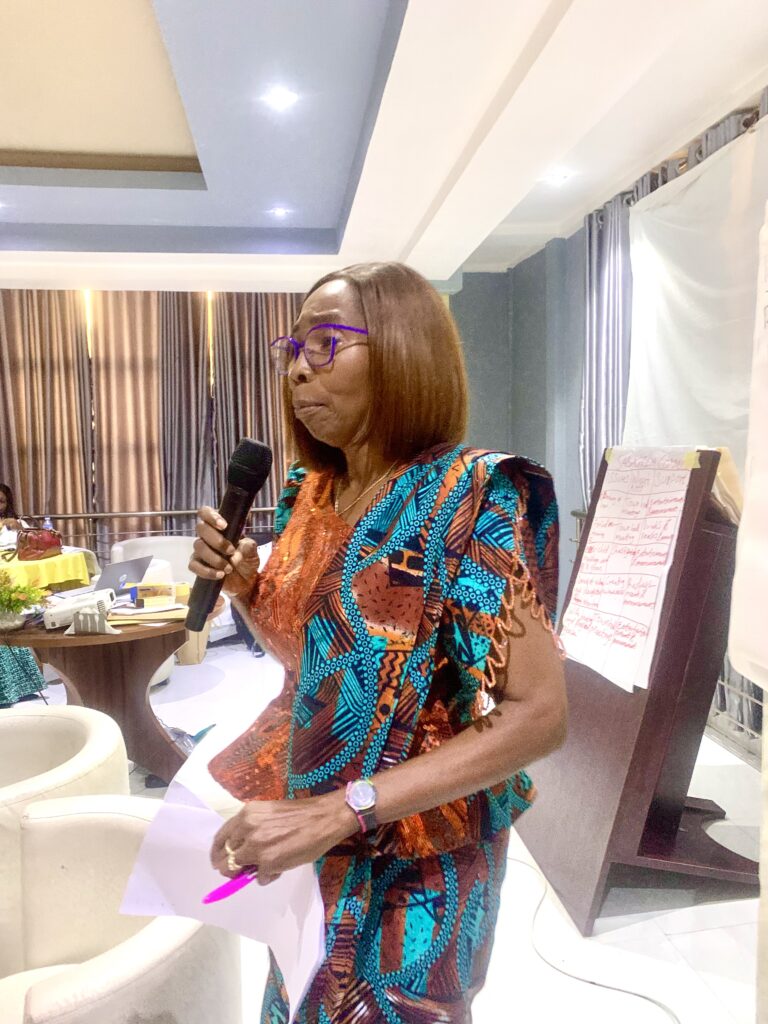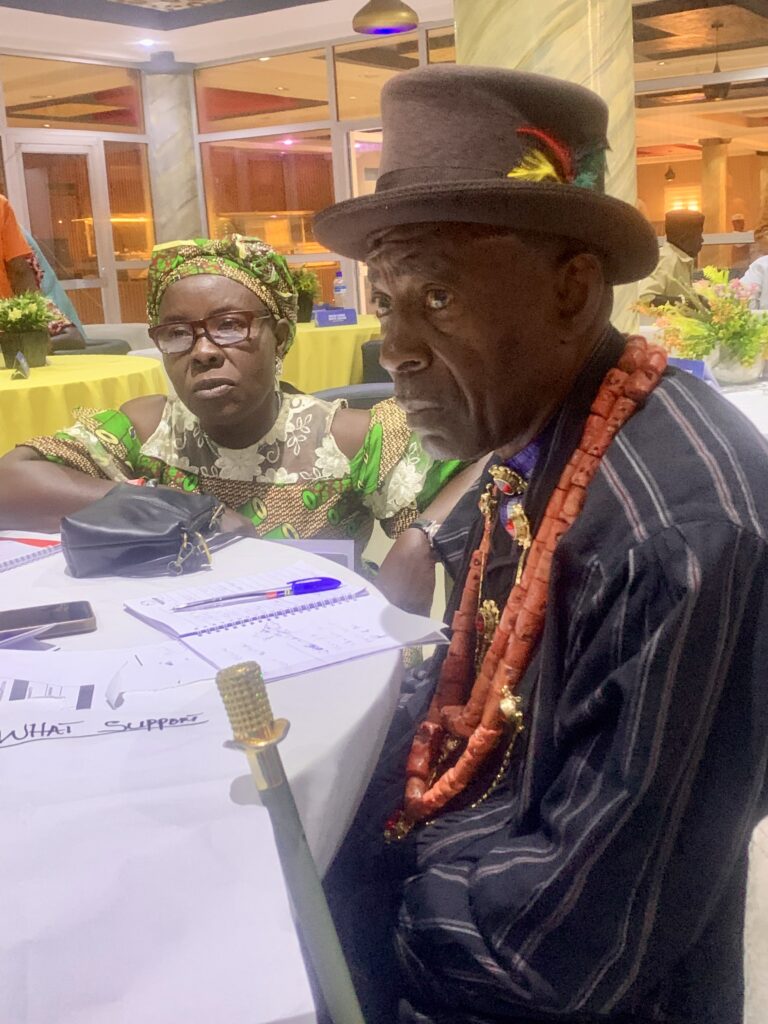
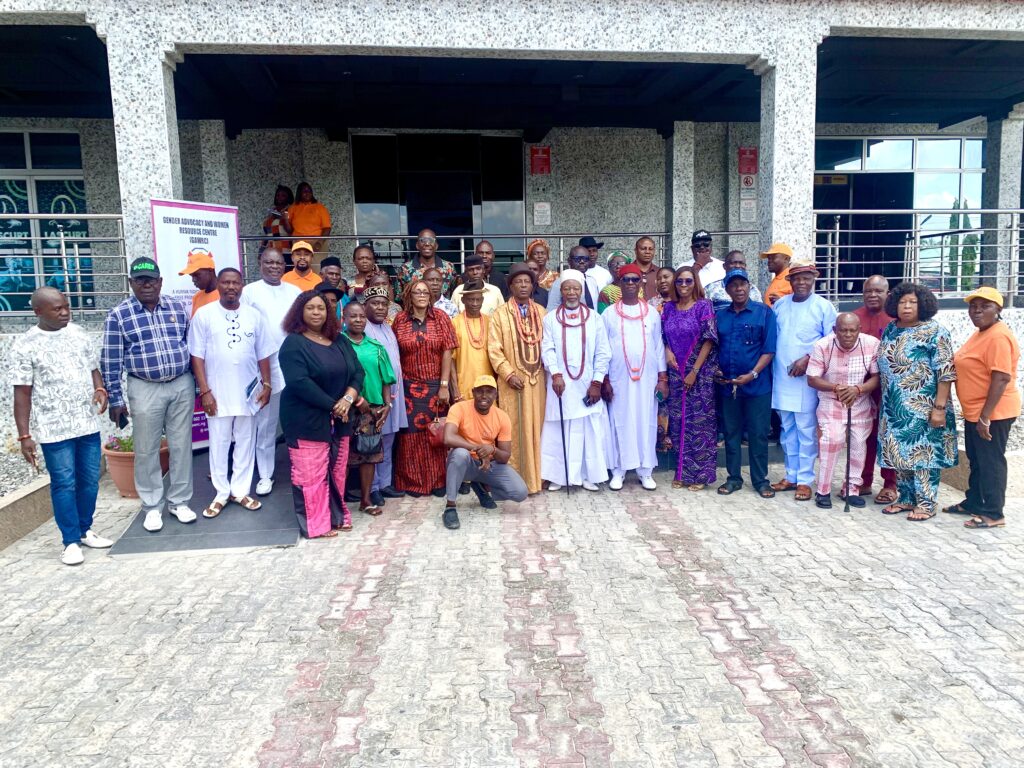
Warri, Delta State – The Gender Advocacy and Women Resource Center (GAWRC), with support from the Ford Foundation, has successfully concluded a three-day capacity-building workshop for traditional leaders from selected communities in Bayelsa and Delta States on the prevention of Gender-Based Violence (GBV).
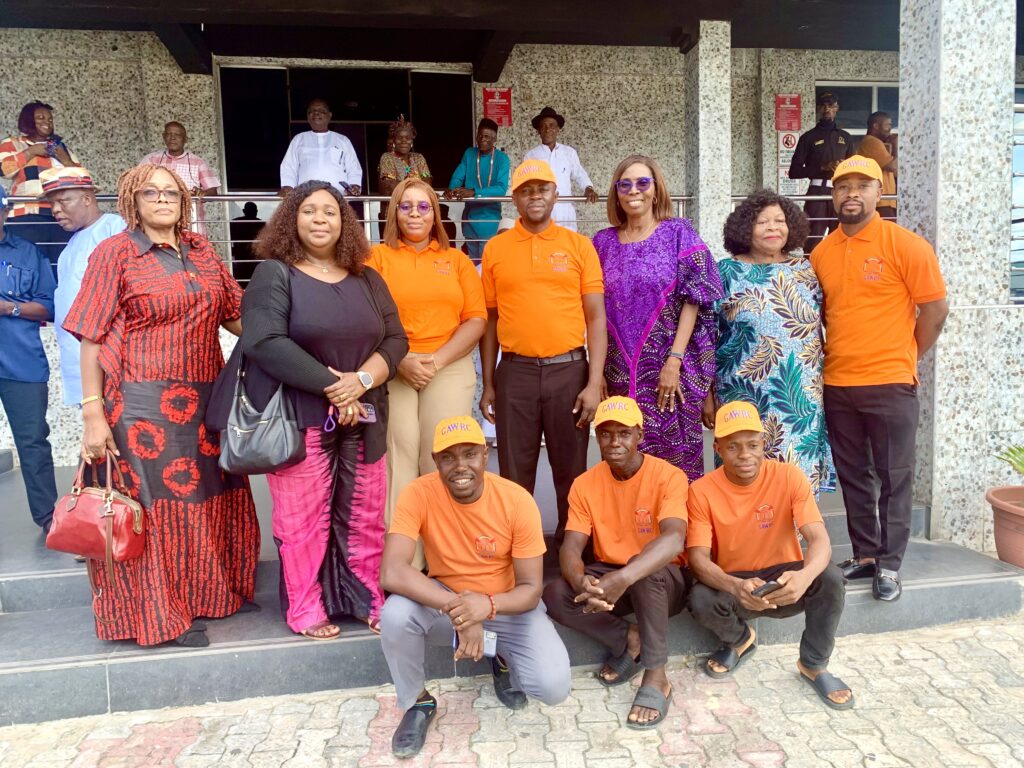
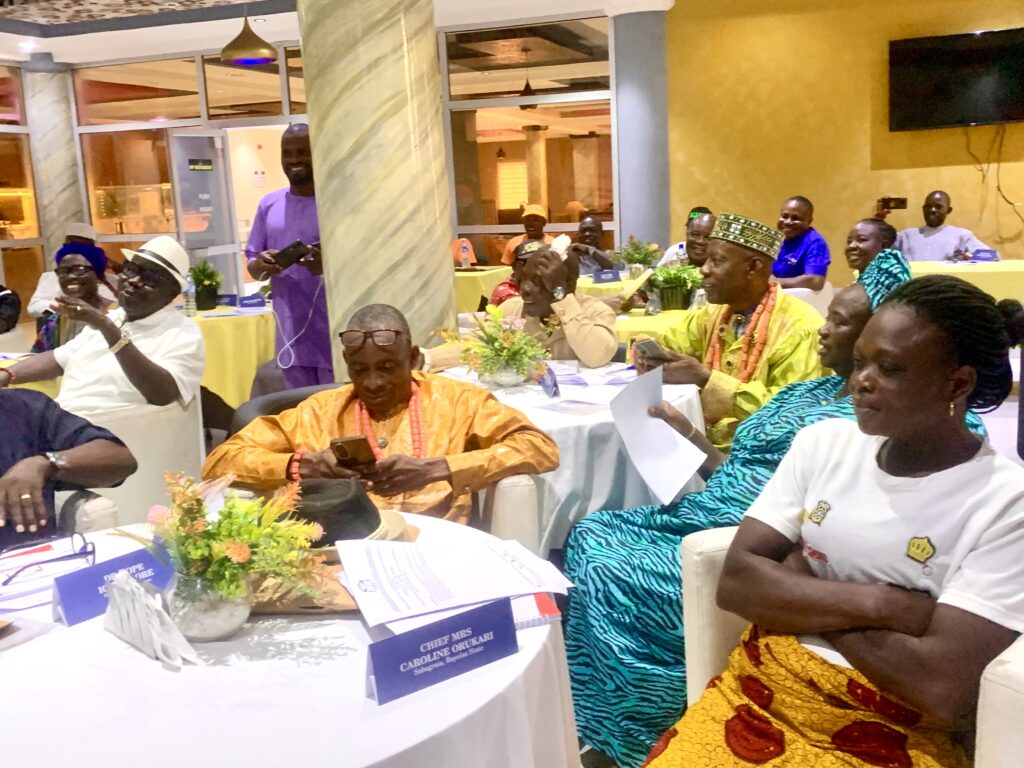
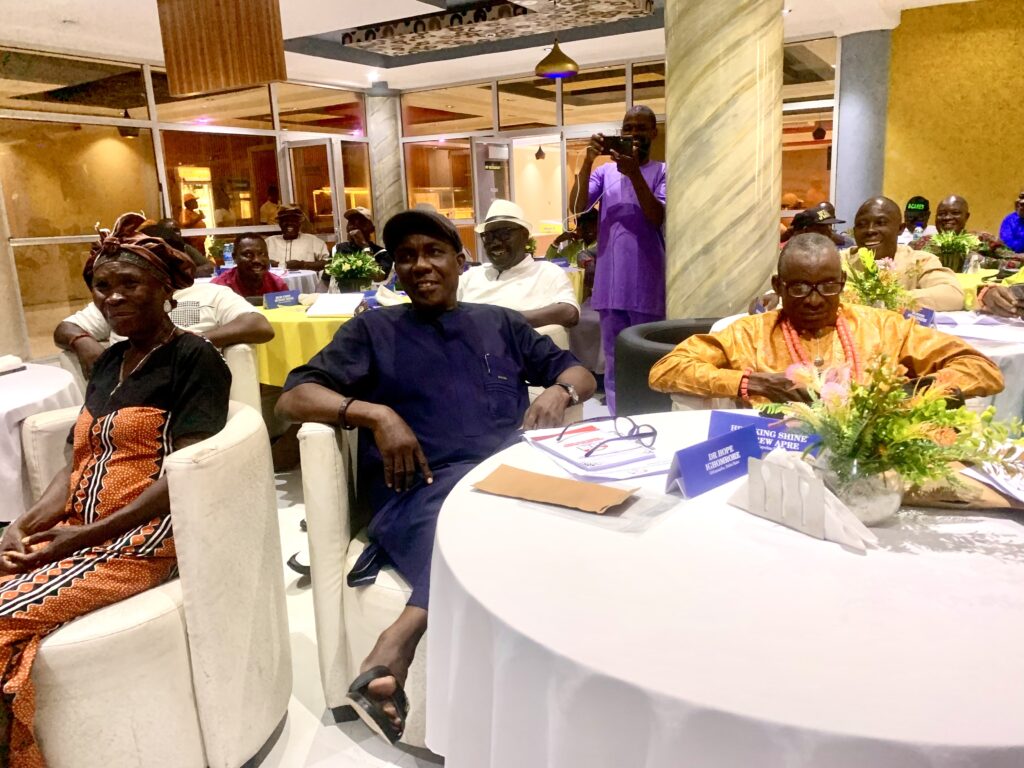
The training, which took place at Lascurt Hotel, Warri, brought together traditional rulers and community leaders from Alaka, Urhumarho, and Orhore 2 communities in Delta State, as well as Odi, Sabaghria, and Oyobo communities in Bayelsa State.
The workshop was designed to strengthen the capacity of traditional leaders to identify, prevent, and respond to various forms of Gender-Based Violence and harmful traditional practices affecting women and girls within their communities.
Representatives of the Ford Foundation were present throughout the training, reaffirming their commitment to promoting gender equality, human rights, and community-driven approaches to ending violence against women and girls.
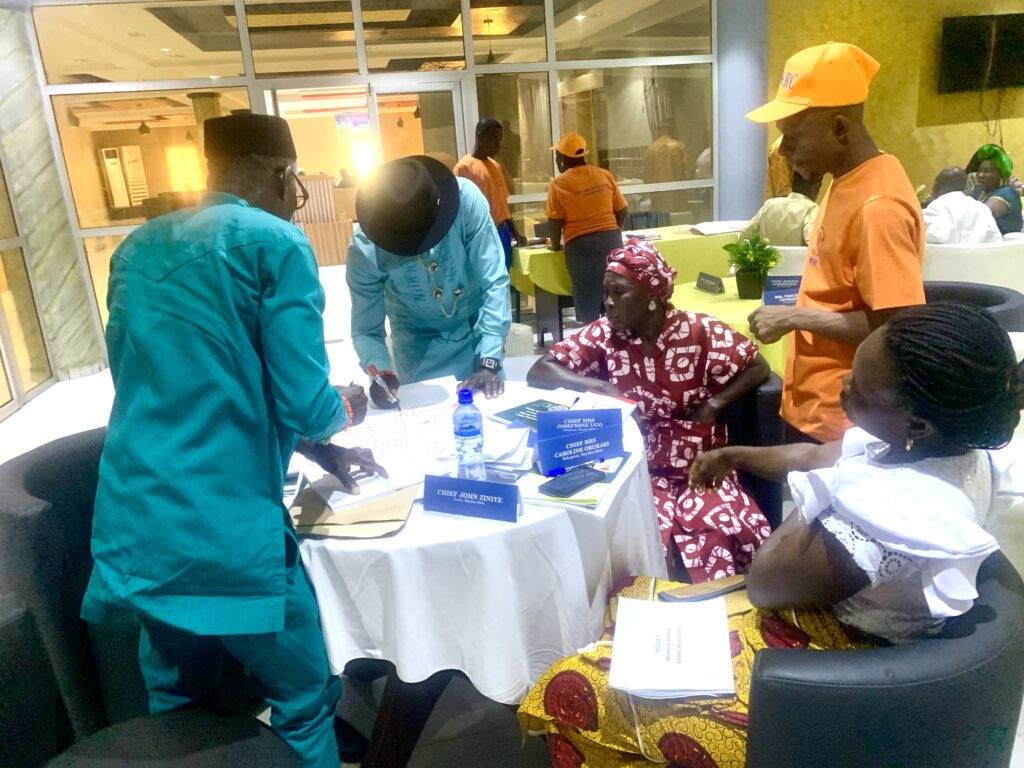
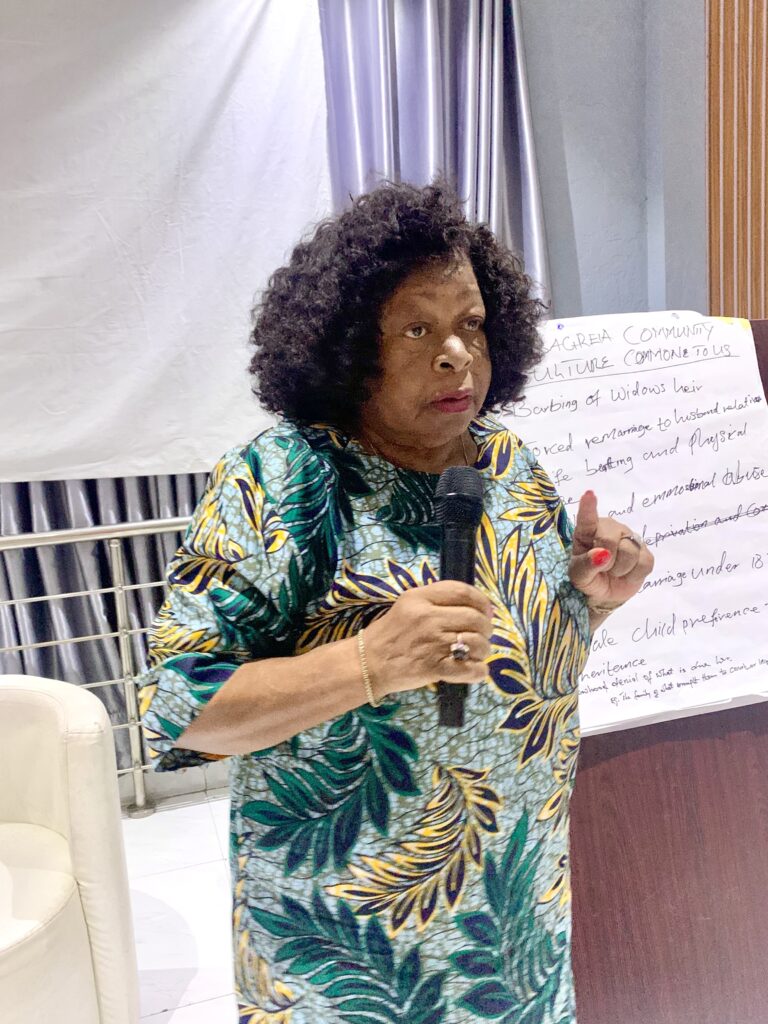
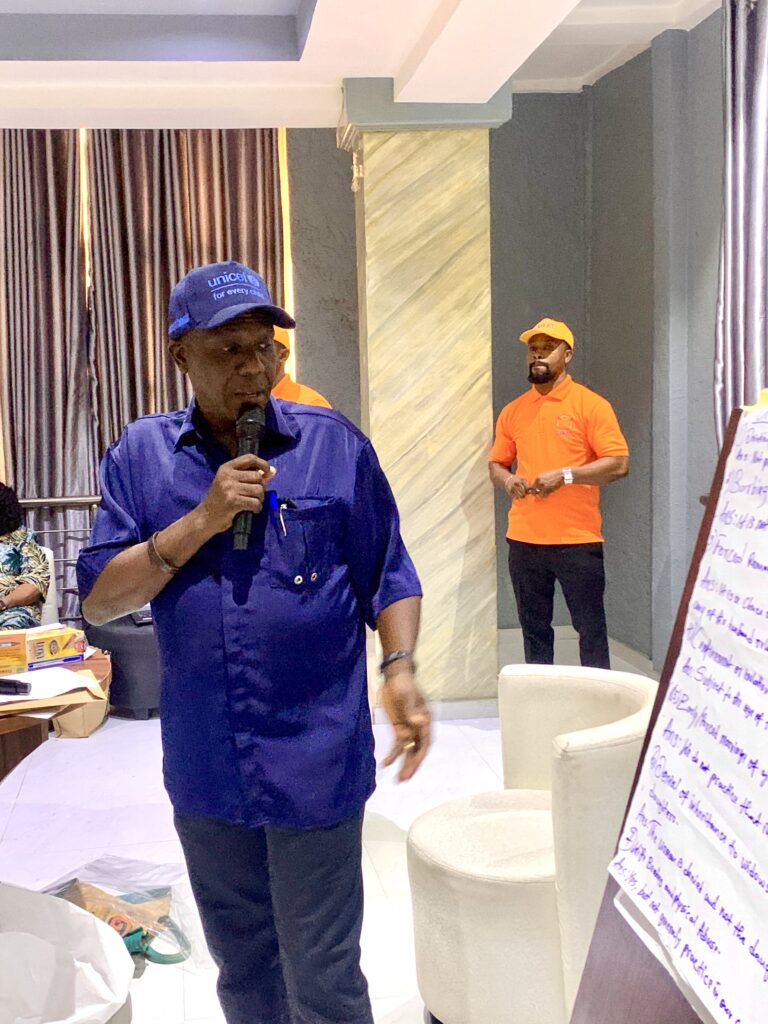
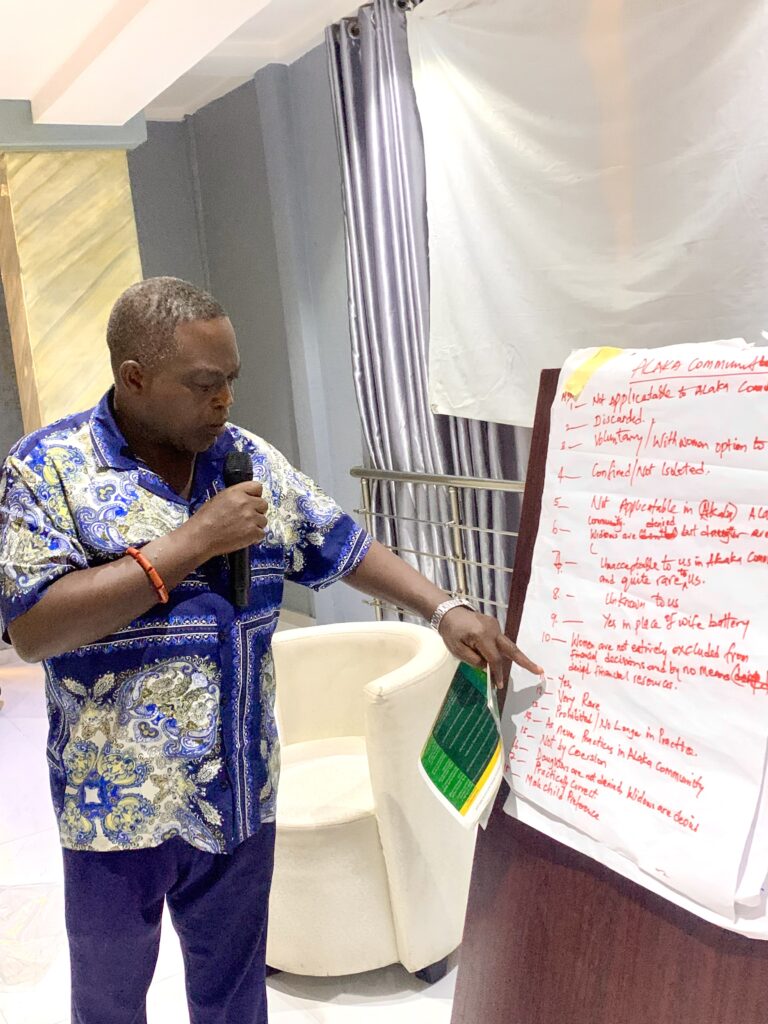
A major highlight of the workshop was the group work sessions, where participants examined existing cultural practices, shared experiences from their respective communities, and developed practical strategies for addressing GBV and safeguarding the rights of women and girls.
Discussions focused on several harmful practices that continue to affect women and girls in some communities, including forceful remarriage of widows to family members following the death of their husbands, compulsory head shaving during mourning periods, denial of inheritance rights to widows and girl children, female genital mutilation, and other forms of discrimination and violence.
At the conclusion of the training, the traditional leaders collectively pledged to promote awareness, advocate for positive cultural change, and champion the elimination of harmful practices within their communities. They also agreed to work towards achieving zero tolerance for all forms of Gender-Based Violence and to support efforts that protect the rights, dignity, and wellbeing of women and girls.
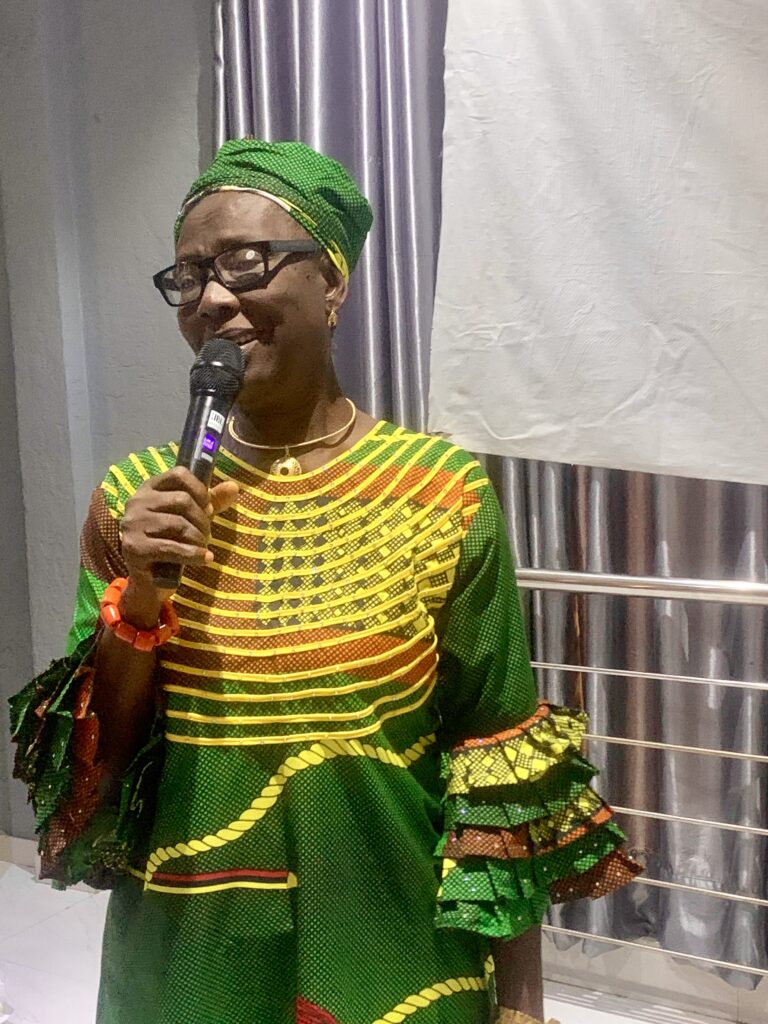
Speaking at the close of the workshop, GAWRC emphasized the critical role of traditional institutions in influencing social norms and driving sustainable community change. The organization expressed confidence that the commitments made by the participating leaders would contribute significantly to reducing Gender-Based Violence across the participating communities.
The workshop marks another important step in GAWRC’s ongoing efforts to build safer, more inclusive communities where the rights of women and girls are respected and protected.